

Few things make pet parents panic faster than realizing their dog has fleas. You might notice your dog scratching nonstop, licking certain areas, or suddenly developing red, irritated patches of skin. Fleas aren’t just annoying little pests either. A serious infestation can contribute to skin irritation, hair loss, anemia, and even tapeworm infections. The good news is that once you know what you’re looking for, you can take the right steps to get your dog comfortable again and prevent the problem from coming back.If you’re dealing with a possible flea problem right now, here’s what you actually need to know.
How to Tell If Your Dog Has Fleas
Fleas are tiny, dark reddish-brown insects that can be difficult to spot, especially if your dog has thick or dark-colored fur. They tend to hide around areas such as the neck, belly, inner thighs, and base of the tail.
One of the easiest signs to look for is flea dirt. It looks like tiny black or dark brown specks scattered through your dog’s coat. Flea dirt is actually flea waste that contains digested blood.
There’s a simple way to check it. Place some of the suspected flea dirt on a damp white paper towel. If the specks leave a reddish or rusty stain as they get wet, there’s a good chance you’re looking at flea dirt.
Other common signs include:
- Constant scratching or biting at the skin
- Red or flaky skin
- Scabs or small bumps
- Bald or thinning patches of fur
- Hot spots
- Restlessness
- Excessive licking
- Visible fleas moving through the coat
If your dog is showing several of these signs, it’s worth having them checked by a veterinarian rather than assuming it’s just dry skin or allergies.
Why Fleas Are More Than Just an Itch
It’s easy to think of fleas as nothing more than an uncomfortable nuisance, but a significant infestation can cause bigger problems.
Fleas feed on blood, so heavy infestations can contribute to anemia, particularly in puppies, small dogs, or dogs that are already vulnerable. Fleas can also cause intense itching and inflammation, and some dogs develop flea allergy dermatitis from an allergic reaction to flea saliva.
There’s another issue many pet parents don’t realize: fleas can be involved in the transmission of tapeworms. Dogs can become infected when they accidentally swallow an infected flea while grooming themselves.
That’s why treating fleas early is much better than waiting for the infestation to become severe.
Start With the Right Flea Treatment
Once you suspect fleas, talk with your veterinarian about the most appropriate treatment for your dog. There isn’t one flea medication that’s perfect for every pet. Your veterinarian may consider your dog’s age, weight, health history, lifestyle, and the severity of the infestation before recommending a product.
Depending on the situation, flea control may involve topical treatments, oral medications, shampoos, or other veterinarian-recommended options.
Don’t use a flea product simply because it worked for another dog. Some products are intended only for certain species, ages, or weight ranges, and using the wrong product can be dangerous.
If your dog has a heavy infestation or is showing signs of weakness, pale gums, excessive scratching, or significant skin irritation, veterinary care is especially important.
Don’t Forget Your Home
Treating your dog without addressing the environment can make flea control much harder.
Wash your dog’s bedding, blankets, and washable toys regularly. Vacuum carpets, rugs, furniture, and areas where your dog spends a lot of time. Pay particular attention to cracks, crevices, and places where pet hair collects.
You may also need an appropriate household flea-control approach depending on the severity of the infestation. Your veterinarian can help you determine what additional steps make sense.
The goal isn’t simply to kill the adult fleas you see today. You also want to reduce the eggs and immature flea stages that can continue the infestation.
Keep Fleas From Coming Back
Once the immediate infestation is under control, prevention becomes the important part.
Ask your veterinarian about a regular flea-prevention schedule that fits your dog. Consistent prevention can be much easier than dealing with another full-blown infestation later.
It’s also helpful to:
- Keep your dog’s bedding clean
- Vacuum regularly
- Check your dog after spending time outdoors
- Keep other household pets on appropriate flea prevention
- Follow your veterinarian’s recommended treatment schedule
- Avoid stopping prevention simply because you no longer see fleas
Remember, not seeing fleas doesn’t always mean every stage of the flea life cycle is gone.
When Your Dog Needs a Veterinarian
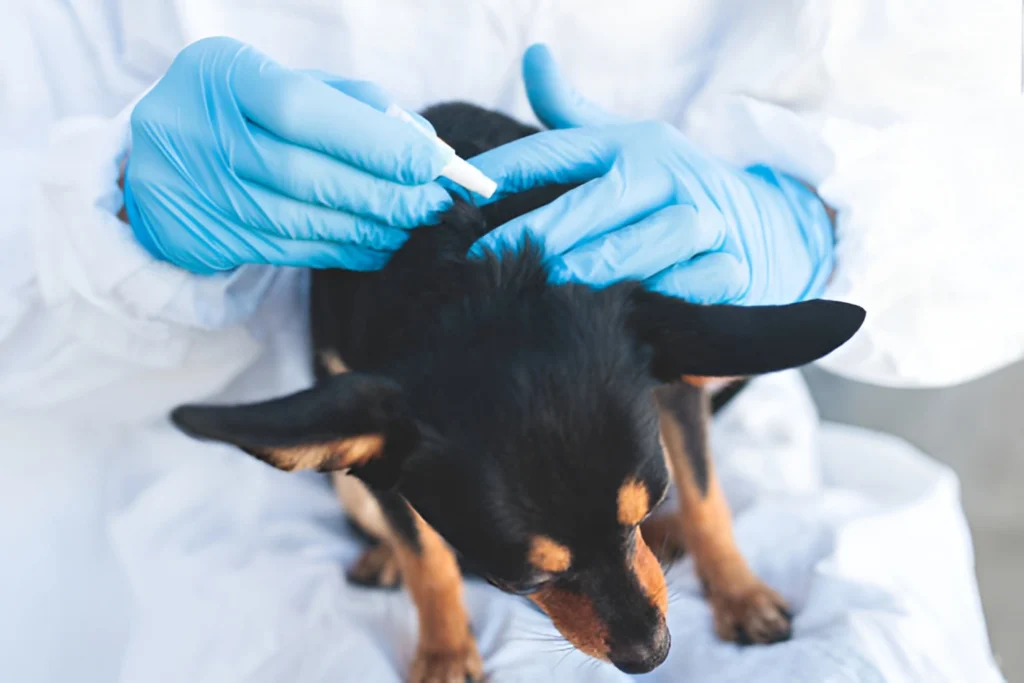
A few fleas don’t always mean your dog is seriously ill, but certain symptoms should not be ignored.
Contact a veterinarian if your dog has severe or persistent itching, open wounds, extensive hair loss, significant skin irritation, weakness, pale gums, or signs that the infestation isn’t improving with appropriate treatment.
Puppies and smaller dogs deserve particular attention because significant blood loss from fleas can become a serious concern more quickly.
If you’re unsure whether you’re dealing with fleas, allergies, mites, or another skin condition, a veterinary examination can help identify the actual cause instead of treating the wrong problem.
Get Flea Treatment for Your Dog at SA Spay Neuter
If you’re searching for reliable dog clinic San Antonio TX services for a dog dealing with fleas, SA Spay Neuter can help you determine the right next step. The veterinary team can evaluate your dog’s symptoms and help you understand appropriate flea treatment and prevention options.
Whether you’re dealing with your dog’s first flea infestation or the problem keeps coming back, getting the right treatment plan can make the process much easier for both you and your pet.
Frequently Asked Questions (FAQs)
1. How can I tell if my dog has fleas?
Look for excessive scratching, licking, biting at the skin, hair loss, red or irritated areas, visible insects, or flea dirt. Flea dirt may leave a reddish stain when placed on a damp white paper towel.
2. Can fleas make my dog sick?
Yes. A significant flea infestation can cause severe itching and skin irritation and may contribute to anemia. Fleas can also be associated with tapeworm infections.
3. What is flea dirt?
Flea dirt is flea waste made partly from digested blood. It commonly appears as tiny dark specks in your dog’s fur and can be one of the easier signs of a flea infestation.
4. Is treating my dog enough to get rid of fleas?
Not always. Flea eggs and immature stages can remain in bedding, carpets, furniture, and other parts of your home. Effective flea control generally requires addressing both your pet and the environment.
5. How can I prevent fleas from coming back?
Ask your veterinarian about an appropriate ongoing flea-prevention plan. Regular cleaning, washing pet bedding, vacuuming, and keeping all household pets on appropriate prevention can also help reduce the risk of recurring infestations.
6. Can I use any flea medicine on my dog?
No. Flea products differ based on species, age, weight, and health status. Always follow the product directions and ask your veterinarian which option is appropriate for your dog.
7. When should I take my dog to the vet for fleas?
Veterinary care is recommended when your dog has severe itching, open or infected-looking skin, significant hair loss, weakness, pale gums, or a persistent infestation. Puppies and small dogs may be more vulnerable to complications from heavy flea infestations.
8. Where can I find a dog clinic in San Antonio TX for flea treatment?
When searching for a dog clinic San Antonio TX, choose a veterinary provider that can examine your dog and recommend flea treatment based on their age, weight, health, and individual needs. SA Spay Neuter can help you determine the appropriate next step for your pet.
Is Your Dog Scratching More Than Usual?
Don’t let constant scratching become your dog’s new normal. Contact SA Spay Neuter to have your pet evaluated and find out what flea treatment and prevention options may be right for them.
