

Quick Answer: Before visiting dog parks in San Antonio, make sure your dog is current on core vaccinations, up to date on parasite prevention, and in good general health with no signs of illness. San Antonio’s warm climate keeps fleas, ticks, and heartworm-carrying mosquitoes active nearly year-round, which makes consistent outdoor safety habits especially important for maintaining your dog’s dog health at dog friendly parks and other shared outdoor spaces.
Dog parks are one of the best ways for San Antonio pet owners to let their dogs socialize, burn off energy, and enjoy the outdoors, but shared spaces also come with shared risks. Between close contact with other dogs and exposure to South Texas’s warm, bug-friendly climate, a little preparation before each visit goes a long way. Here’s a health checklist to run through before your next trip to the park.
Confirm Core Vaccinations Are Current
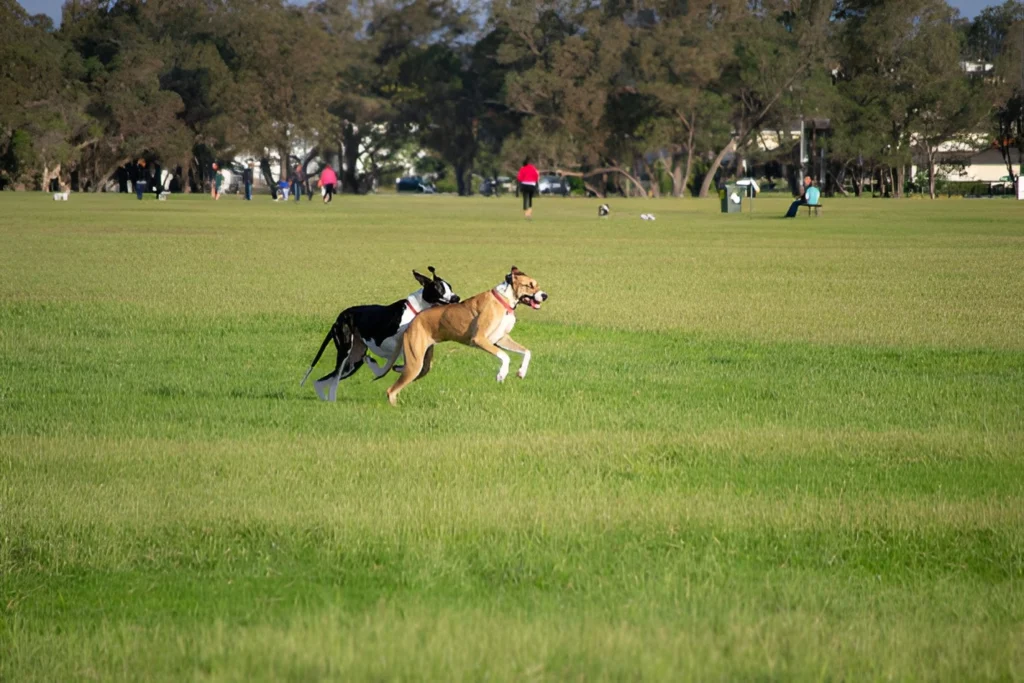
Before any visit to dog friendly parks, confirm your dog’s core vaccinations are up to date. This typically includes rabies, distemper, and parvovirus, all of which protect against serious illnesses that can spread between dogs in close contact. Bordetella, the kennel cough vaccine, is also worth keeping current even if it’s not always required for park access, since dogs at busy parks are regularly exposed to respiratory illness through shared water bowls, close play, and general proximity. Keeping a digital copy of your dog’s vaccine record on your phone makes it easy to confirm status if a park or event ever asks.
Stay on Top of Parasite Prevention
San Antonio’s mild winters mean fleas, ticks, and mosquitoes rarely fully die off the way they might in colder climates, making year-round parasite prevention essential rather than optional. Dog parks, with grass, shade, and heavy dog traffic, are prime environments for fleas and ticks to pass between animals. Mosquitoes carrying heartworm are also active for most of the year in this region, making monthly heartworm prevention important even outside of what people might consider “mosquito season.” Talk to your vet about a prevention plan that covers fleas, ticks, and heartworm together, since gaps in any one of these can leave your dog vulnerable during regular park visits.
Watch for Signs of Illness Before Heading Out
Outdoor Safety Basics for Dog Parks
Good outdoor safety habits extend beyond vaccines and parasite prevention. San Antonio’s heat is a real factor for much of the year, so visiting during cooler morning or evening hours helps prevent overheating, especially for short-nosed breeds that struggle more with heat regulation. Bring fresh water from home rather than relying solely on shared water sources at the park, both for hydration and to reduce exposure to shared bowls. It’s also worth checking your dog’s paws after visits for any cuts, burrs, or signs of irritation from hot pavement or rough terrain, particularly during the hottest months.
What to Bring to the Dog Park
A short mental checklist before leaving the house can prevent a lot of hassle once you’re there. Bring fresh water and a collapsible bowl, waste bags for cleanup, a leash for arrival and departure even at off-leash parks, and any flea, tick, or heartworm prevention that’s due based on your dog’s schedule. Having your dog’s vaccine record accessible on your phone is also useful in case it’s ever requested.
Socializing Safely at Dog Friendly Parks
Beyond physical health, it’s worth paying attention to how your dog interacts with others at dog friendly parks. Watch for signs of stress or overstimulation, especially with dogs that are newer to group play, and be ready to step in if play becomes too rough for either dog involved. Keeping an eye on group dynamics, not just your own dog, helps the whole park stay a safer, more enjoyable space for everyone.
When to Skip the Dog Park
Some situations call for skipping a park visit altogether, even if your dog seems otherwise fine. This includes recent exposure to a sick or unvaccinated dog, any vaccines that are overdue or recently administered and still building immunity, visible injuries or skin issues that haven’t been checked by a vet, and extreme heat days where outdoor exercise poses a real health risk. When in doubt, a shorter walk or indoor playtime is a safer alternative until any concerns are resolved.
Frequently Asked Questions
What vaccines does my dog need before visiting a dog park?
Most dogs should have current rabies, distemper, and parvovirus vaccines, along with bordetella, since dog parks involve close contact with many other dogs.
Is parasite prevention really necessary year-round in San Antonio?
Yes. San Antonio’s mild winters keep fleas, ticks, and mosquitoes active for most of the year, making consistent prevention important rather than seasonal.
How do I know if my dog is too sick to go to the dog park?
Watch for coughing, sneezing, vomiting, diarrhea, or unusual lethargy. If any of these are present, it’s best to skip the visit until your dog recovers.
What’s the best time of day to visit a dog park in San Antonio?
Cooler morning or evening hours are generally safer, especially during warmer months, to help prevent overheating during play.
Are all dog friendly parks in San Antonio off-leash?
Not necessarily. Rules vary by park, so it’s worth checking specific park guidelines before arrival, even if most visits involve off-leash play.
About SAS Pay Neuter
SAS Pay Neuter helps San Antonio pet owners keep their dogs protected with up-to-date vaccinations and consistent parasite prevention, so every trip to the dog parks is a safe one. The team can review your dog’s current health status and recommend a prevention plan suited to San Antonio’s climate and your dog’s lifestyle at dog friendly parks around the city.
Get Your Dog Ready for the Park
Before your next dog park visit, make sure your pet is fully protected. Contact SAS Pay Neuter today to schedule a vaccination or parasite prevention check and keep your dog healthy all year round.
